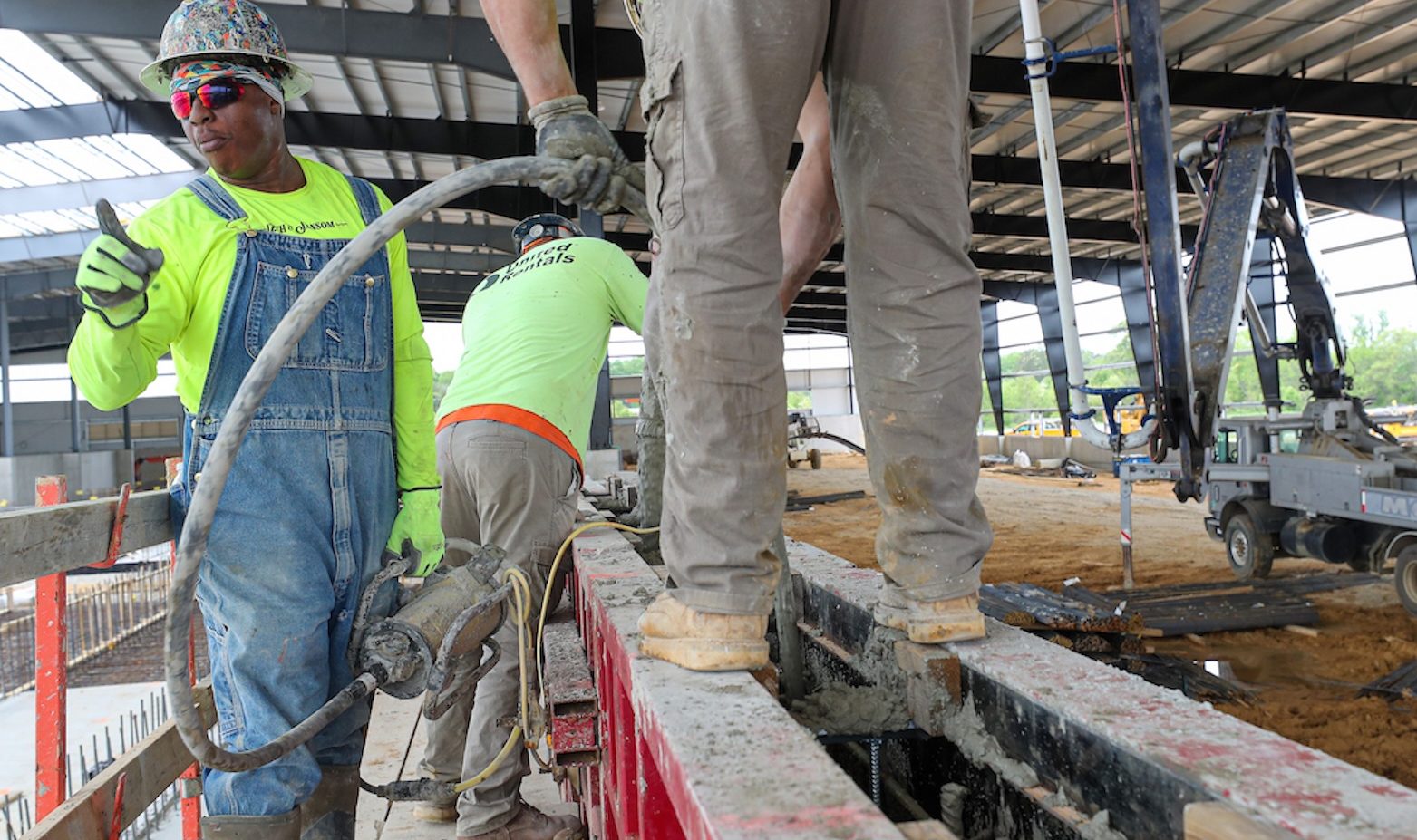
Project labor agreements put trained union carpenters to work on the projects communities count on.
How PLA benefits reach workers, families and local economies
The benefits of a project labor agreement for workers are higher pay, stronger safety standards, paid apprenticeship training and a fair shot at local jobs. Because the agreement sets those terms before a single contract is awarded, every worker on the site, union or non-union, is covered by the same protections from the first day to the last.
Those gains ripple into the surrounding community through local paychecks, health coverage and career paths for young people and veterans. The research hub at whatisapla.com follows the studies and public records that measure what these agreements deliver for the people who build public projects and the towns that host them.
Much of that workforce trains close to home. The training centers run by the Eastern Atlantic States Regional Council of Carpenters prepare apprentices across a region that stretches from New Jersey to West Virginia, and the council’s 42,000 union carpenters are the kind of skilled, credentialed crew these agreements are designed to put to work.
Do project labor agreements raise wages for construction workers?
PLAs typically require the wages and benefits set in local union agreements, and those standards pay off. Bureau of Labor Statistics data for 2025 show union members in construction and extraction occupations earned median weekly pay of $1,561, compared with $1,004 for workers without a union. That gap of more than $550 a week does not include the health insurance and pension contributions that union agreements also fund. For a family, it can mean the difference between a job and a career. Many agreements apply the same local standards to overtime and shift pay.
Are PLA job sites safer for workers?
The safety record points that way. A 2021 study by the Illinois Economic Policy Institute and the University of Illinois reviewed 37,041 federal OSHA inspections and found union worksites were 19% less likely to have a violation and had 34% fewer violations per inspection. After controlling for sector, region and inspection type, union sites still averaged 31% fewer health and safety violations. PLAs extend union safety practices, including required training and joint safety committees, to every contractor on the job.
How do PLAs create apprenticeship opportunities?
Many agreements set apprentice ratios, which guarantees that a share of the hours on a public project goes to people learning a trade. Registered apprentices earn a paycheck from the start, receive raises as their skills grow and finish with a portable credential. Some agreements add a preference for first-year apprentices who are women, people of color or residents of economically disadvantaged neighborhoods. Veterans can enter the same pipeline through Helmets to Hardhats, a national program that connects former service members with building trades apprenticeships.
READ MORE: N.J. Trades See Strong Apprenticeship Demand, Highlight Need for PLAs
What benefits do workers receive beyond the paycheck?
The fringe benefits in a PLA are often worth as much to a family as the hourly rate. Contractors on a covered project pay into health and welfare funds, pension plans and training trusts for every hour worked. A carpenter who moves from one contractor to another during the job keeps building toward the same health coverage and retirement. The agreement’s dispute process also gives workers a set way to raise pay or safety problems and have them resolved quickly, without work stopping on the site.
Do PLA benefits last after the project ends?
They do, and that is one of the least discussed advantages for workers. Hours on a covered project count toward completing an apprenticeship, qualifying for health coverage and building pension credit. Contributions to training trusts pay for the next round of classes and certifications, so a public project helps fund the skills of workers who will build the next one. An apprentice who starts on a school renovation can finish as a journey-level carpenter with a credential recognized across the country. For communities, that means a deeper local bench of skilled workers ready for the next bridge, firehouse or treatment plant.
Do project labor agreements keep jobs in the local community?
Local hiring provisions are one of the most direct community benefits. Parsippany, New Jersey, adopted an ordinance that calls for township residents to receive at least 20% of labor hours on covered projects, and other towns and counties in the region have written similar goals into their agreements. When local residents do the work, their paychecks get spent at nearby businesses and stay in the local tax base. The Illinois study of 773 state projects also found that PLAs raised the market share of minority-owned firms by 1.4 percentage points, women-owned firms by 1.8 points and veteran-owned firms by 0.9 points.
Benefits of a project labor agreement for workers and communities:
- higher pay: union construction workers earned a median of $1,561 a week in 2025
- safer sites: 34% fewer OSHA violations per inspection at union worksites
- paid training: apprentice ratios that open public jobs to new workers
- health and retirement: fringe benefit contributions for every hour worked
- local jobs: resident hiring goals that keep paychecks in the community
Workers, families and local leaders can learn how PLAs benefit the people who build at whatisapla.com, from paychecks and pensions to safer job sites.
READ MORE: Project Labor Agreements, Prevailing Wages and Apprenticeships Delivered Clean Energy Results
Frequently Asked Questions
What are the benefits of a project labor agreement for workers?
Workers on PLA projects receive locally negotiated wages and benefits, strong safety standards and a clear process for resolving disputes. Many agreements also create paid apprenticeship slots and local hiring goals.
Do union construction workers earn more?
Yes. Bureau of Labor Statistics data for 2025 show union members in construction and extraction occupations earned a median of $1,561 a week, compared with $1,004 for non-union workers.
Are union construction sites safer?
A 2021 study of 37,041 OSHA inspections found union worksites were 19% less likely to have a violation. They also had 34% fewer violations per inspection.
Do PLAs include apprenticeship requirements?
Many do. Agreements often set apprentice ratios so a share of project hours goes to registered apprentices who earn while they learn.
Can veterans get construction jobs through PLAs?
Yes. Helmets to Hardhats connects veterans and transitioning service members with building trades apprenticeships that staff PLA projects.
Do PLAs require local hiring?
Some do. Parsippany, New Jersey, for example, calls for township residents to receive at least 20% of labor hours on covered projects.
Do non-union workers get PLA benefits?
Yes. Every worker on a PLA project is covered by the same wage, safety and dispute terms for the length of the job.
How do PLAs help small and minority-owned businesses?
A 2025 study of 773 Illinois public projects found PLAs increased the market share of minority-owned, women-owned and veteran-owned firms.
How do communities benefit from project labor agreements?
Local hiring keeps paychecks in the area, and apprenticeships build a skilled workforce for future projects. On-time delivery also means residents get new schools and facilities sooner.