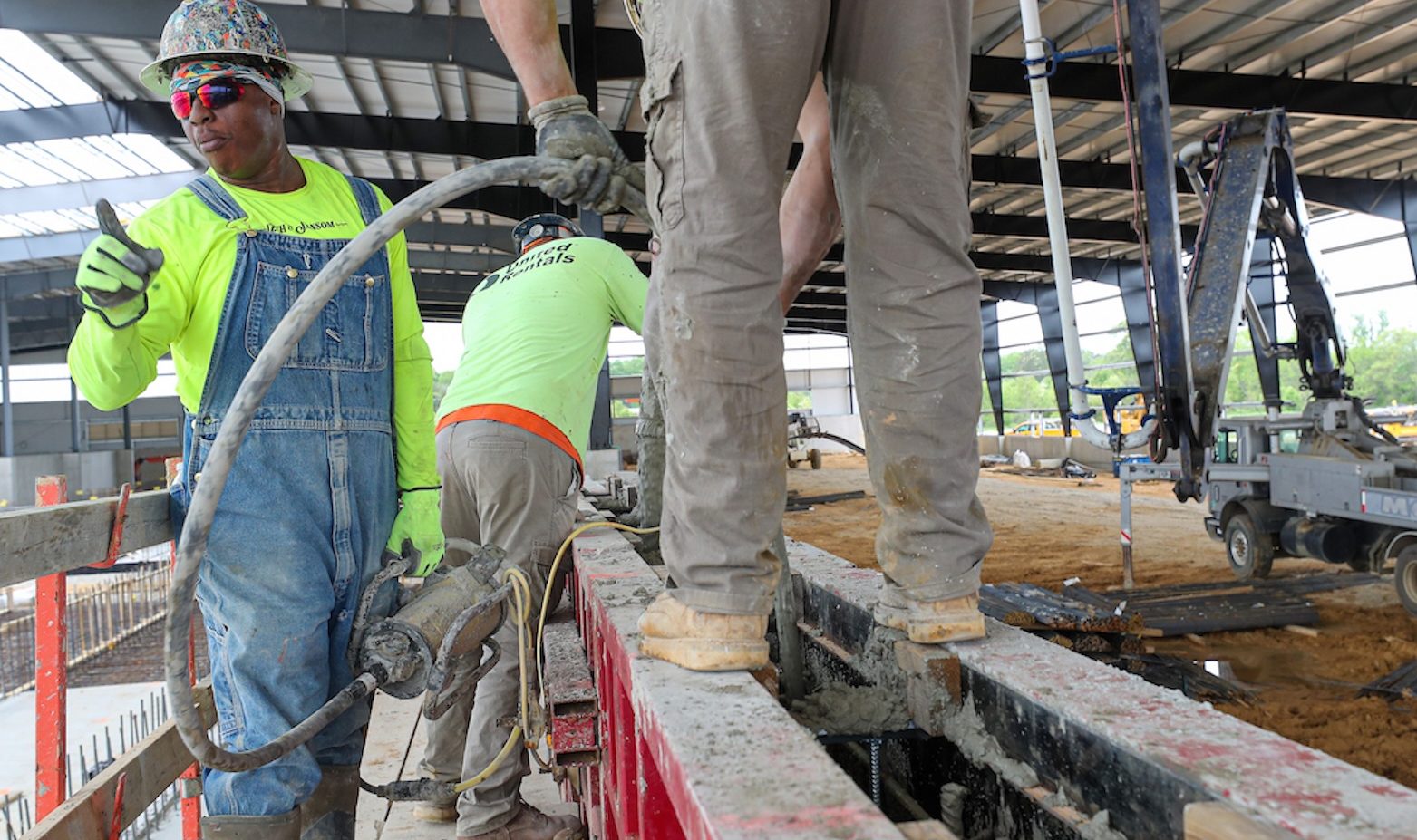
Union apprentices learn the trade on the job while earning a paycheck that rises with their skills.
Hiring halls, apprenticeships and the path to a PLA job
A PLA job is construction work on a project covered by a project labor agreement, and most workers land one through a union hiring hall referral or a registered apprenticeship. The agreement sets one set of hiring rules for every contractor on the site, so the path in is written down before the first shovel hits the ground.
That matters because demand is outrunning supply. A national report released Sept. 30, 2026, by the Alliance for America’s Skilled Trades estimates 1.7 million skilled trades openings a year through 2035, with training programs producing about 55 workers for every 100 needed. The hiring rules, apprenticeship options and state requirements behind PLA work are explained at whatisapla.com.
Across New Jersey, Pennsylvania, Delaware, Maryland, Virginia, West Virginia and Washington, D.C., the Eastern Atlantic States Regional Council of Carpenters represents 42,000+ union carpenters and runs the apprenticeship programs that feed PLA projects in all seven jurisdictions.
How are workers hired on a PLA project?
Contractors fill most positions through the local unions’ referral systems. New Jersey’s school construction PLA, signed in 2003 and posted by the Schools Development Authority, tells contractors to hire “through the job referral systems and hiring halls.” It also lets a contractor request workers by name if they have at least 1,000 hours in the craft, up to 12% of that contractor’s crew in each trade.
Referral systems run on registered lists. Workers sign the out-of-work list for their trade, and the hall dispatches them as contractors call for crews. EAS carpenters use the council’s MIX 20/20 referral system, and their health and pension coverage travels with them from job to job.
READ MORE: Are PLAs good for workers? What the evidence shows
Can non-union workers get a PLA job?
Yes. Federal rules require that a PLA let every qualified contractor compete for work, union or not, under FAR 22.504. Most agreements also include a core-employee clause so non-union firms can bring their own people.
The PLA for the DC United stadium shows how it works. Under the 2013 agreement, the union referred a journeyworker first, then the contractor added one of its own core employees, alternating “one and one” until the contractor had placed five. The same agreement states that no worker has to join a union as a condition of being referred. Rules on dues vary by state and by agreement: New Jersey’s school PLA applies union-security terms only while a worker is performing on-site project work and allows a working assessment fee instead of membership. The details are covered in our guide to non-union workers on PLA projects.
What is the fastest way into a union apprenticeship?
A registered apprenticeship is a paid job with a mentor, classroom training and a credential that travels. The U.S. Department of Labor reports that people who complete a registered apprenticeship earn an average of $86,000 a year and that 93% stay employed, according to its Apprenticeship 101 fact sheet. Federal standards require a schedule of wages that rises as skills grow.
The EAS carpenters apprenticeship is a four-year, earn-while-you-learn program. Most applicants need a high school diploma or GED. They attend an information session to get an application code, then interview and take a skills and math test before a local apprentice committee makes its selections. Experienced carpenters with seven or more years in the trade can apply for a skills evaluation to enter at journeyworker status.
The training is paid for privately, not by taxpayers. Building trades unions and their contractor partners invest more than $2.5 billion a year in over 1,900 training facilities, according to an April 2026 release from North America’s Building Trades Unions and Microsoft. EAS carpenters train at 17 centers spread across the region, from Edison, New Jersey, to Upper Marlboro, Maryland, so most applicants can reach a classroom without leaving their home state.
Several on-ramps prepare candidates before they apply. The council’s free Carpenter Apprentice Ready Program covers math, safety and job readiness. Helmets to Hardhats connects veterans with apprenticeships in 16 trades, and veterans can use GI Bill benefits while they train.
Do PLAs set local hiring goals?
Many do, and the goals are written into the agreement. The DC United PLA adopted the District’s First Source rules, which required D.C. residents to work at least 20% of journeyworker hours and 60% of apprentice hours, measured trade by trade. Local hiring rules differ by jurisdiction, and the D.C. guide explains the District’s $50 million threshold.
The private sector is creating PLA-style jobs as well. In New Jersey alone, one data center can put about 1,700 skilled tradespeople to work during construction, and union carpenters are among the most sought-after workers in the data center boom.
READ MORE: Local hiring on PLAs keeps jobs and dollars in the community
What a PLA job typically includes:
- the wage and benefit rates of the area’s union agreements, paid on every covered contract
- health, pension and training contributions that move with the worker
- apprenticeship pay that rises at each step toward journeyworker
- clear referral rules, written before the project begins
- safety standards and dispute procedures that apply to every contractor
Job seekers, veterans and career changers can learn how PLAs open doors to skilled careers, and why communities that use them keep more of that work local, through the benefits of project labor agreements explained at whatisapla.com.
Frequently Asked Questions
What is a PLA job?
A PLA job is construction work on a project covered by a project labor agreement. The agreement sets the wages, benefits, hiring rules and work conditions for every contractor on that project.
How do workers get hired on PLA projects?
Most are referred by local union hiring halls, and many enter through registered apprenticeships. Many PLAs also let contractors bring a limited number of their own core employees.
Can a non-union worker work on a PLA project?
Yes. Most PLAs let non-union contractors bring core employees, and many agreements say no worker must join a union to be referred.
How long is a union carpenter apprenticeship?
The EAS carpenters apprenticeship runs four years. Apprentices earn a paycheck from the start, and their pay rises at each step.
Do apprentices get paid on PLA projects?
Yes. Registered apprentices earn a set percentage of the journeyworker rate, and that percentage rises as they advance.
Are there programs that help people prepare for an apprenticeship?
Yes. Pre-apprenticeship programs such as the Carpenter Apprentice Ready Program teach math, safety and job skills, and Helmets to Hardhats helps veterans enter the trades.
Do PLA projects hire local residents?
Many do. PLAs often include local hiring goals, such as D.C. resident hour targets, that keep jobs in the community paying for the project.
Do experienced carpenters have to start as apprentices?
Not always. EAS carpenters with seven or more years of experience can apply for a skills evaluation to join at journeyworker level.