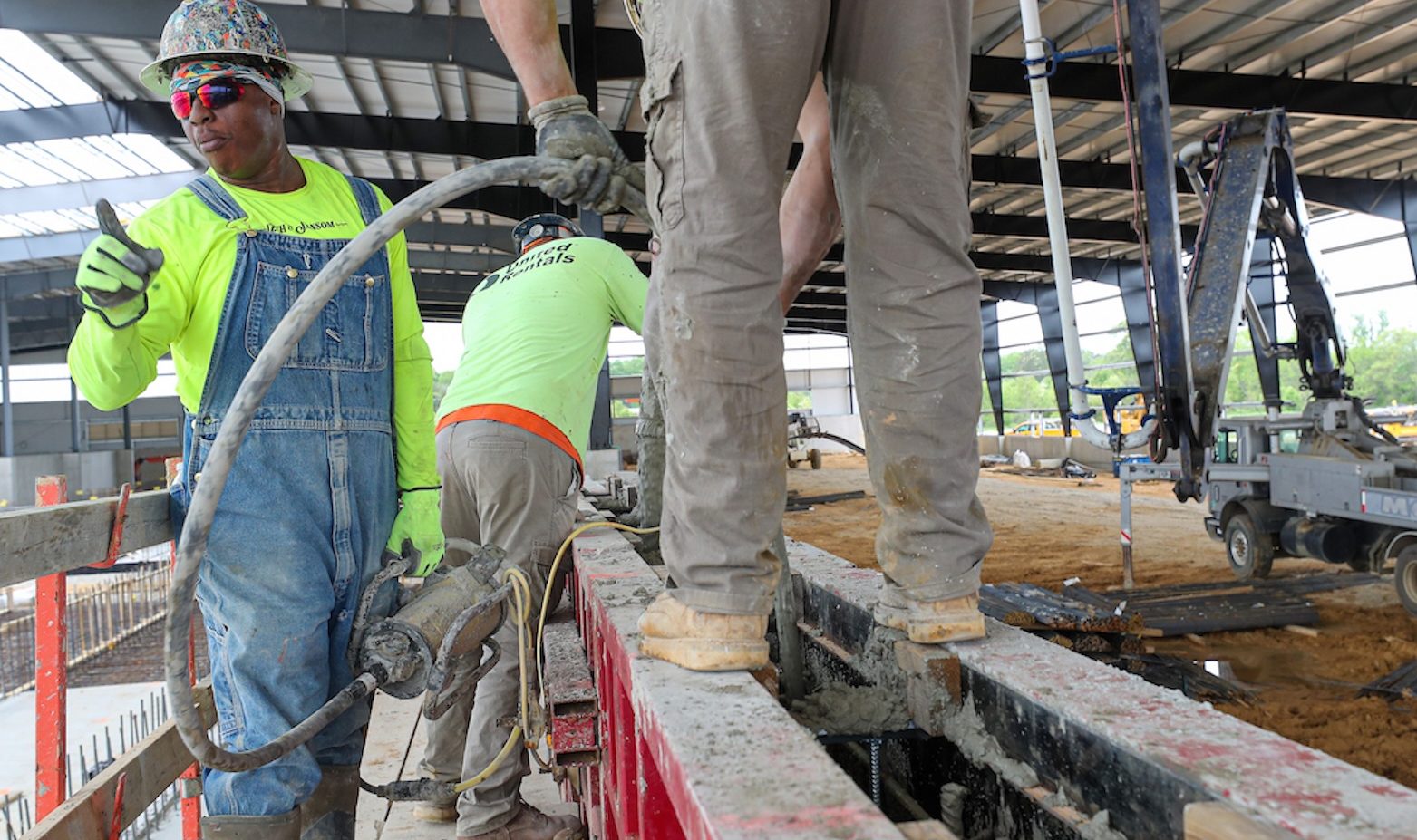
A project administrator reviews workforce, contractor and compliance data for construction covered by a project labor agreement.
PLA report standards turn project records into public evidence
A PLA report is a document that tracks how a project labor agreement is being implemented and whether its workforce, contractor and labor-stability commitments are being met. A useful report defines the period covered, data sources, targets, results and corrective actions so readers can judge performance without guesswork.
The phrase can describe a monthly compliance filing, a project closeout review or an annual program summary. WhatIsAPLA.com’s regional PLA reporting and public-project updates help readers connect reported measures with the agreement terms and owner goals they are intended to test.
Regional scale should be visible in that record. The Eastern Atlantic States Regional Council of Carpenters serves 25 locals across 6 states and has a membership that exceeds 42,000. Consistent reporting can show how training, referrals and participation standards operate across contractors rather than leaving workforce capacity as an unsupported claim.
What is the purpose of a PLA report?
A report turns agreement language into an auditable management record. It should state what was required, what occurred during the reporting period, where performance varied from the target and which party is responsible for the next action. That structure helps an owner manage the job while giving officials and taxpayers a common set of facts.
The report also should separate activity from outcome. A recruitment event is an activity; the resulting apprentice hours or hires are outcomes. A dispute log records activity; the time required to resolve each matter shows whether the agreed process is functioning. Clear distinctions keep a long document from overstating what the underlying records prove.
READ MORE: Baltimore moves forward with first major project labor agreement
Who should prepare and verify a PLA report?
The owner or designated PLA administrator should control the reporting calendar, definitions and final compilation. Prime contractors can validate subcontractor submissions, while payroll and labor-compliance staff check classifications, hours, wages and required contributions. Trade representatives can confirm referral activity and dispute records. The published version should identify the preparer, reviewers and source systems.
Verification must protect individual workers. Public-facing reports should use totals or appropriately grouped data and remove personal identifiers, while authorized compliance staff retain the source records needed for an audit. A report can be transparent about program results without exposing Social Security numbers, home addresses or other protected information.
What information belongs in a PLA report?
A consistent template makes one reporting period comparable with the next. At minimum, each edition should include:
- Project identity, covered contracts, reporting period and construction status.
- Contractors and subcontractors performing covered work, including late submissions.
- Work hours by craft, journey or apprentice status and agreed participation categories.
- Staffing requests, referrals and unfilled needs with consistent reason codes.
- Wage, benefit and labor-compliance findings, corrections and unresolved items.
- Grievances, jurisdictional matters, resolution time and any work interruption.
- Milestones, safety indicators, workforce targets and assigned corrective actions.
The Metropolitan Water District of Southern California’s 2024 annual PLA report provides a useful public example. It separates construction-career pipelines, community outreach, local and transitional worker data, contractor engagement, labor compliance, financial information and construction updates. That organization lets readers distinguish workforce inputs, compliance activity and project status instead of blending them into one success narrative.
Strong templates also include an exceptions note that explains late contractor submissions, corrected payrolls, changes in project scope and measures that are not yet available. Each revision should carry a date and preserve the prior figure so a reader can follow the change. When totals come from different systems, the report should state the cutoff date and reconciliation method. This prevents a polished dashboard from hiding incomplete records or silently changing results between editions.
How often should PLA reporting occur?
Cadence should match the speed of project decisions. The owner can establish a starting project profile at award, collect contractor inputs monthly during active construction, issue periodic public summaries and complete a closeout report after final data are reconciled. Fast-moving staffing or compliance problems still need escalation between scheduled reports.
New Jersey’s current public-construction compliance system illustrates this layered approach with separate initial and monthly workforce reports. Those forms are not limited to PLA projects, but the sequence is useful: establish expected staffing first, record actual participation on a regular schedule and preserve a consistent trail for agency review.
How can readers judge the quality of a PLA report?
Readers should look for precise definitions, reporting rates, targets, time periods and explanations of any revised data. Percentages need a stated denominator. Comparisons need similar project stages and scopes. A statement that no work stoppage occurred is different from a statement that no grievance was filed, and a sound report preserves that distinction.
An official New Jersey PLA annual report offers a useful caution. It disclosed that data were unavailable to measure several stated goals, including safety, efficiency, quality and timeliness. Naming a gap is more credible than treating missing information as a favorable result. Future reports should assign each commitment a source, owner and collection date before work begins.
A PLA report is most valuable when its definitions are set before construction and its results can be traced back to project records. Officials, developers, journalists and community members can review WhatIsAPLA.com’s reporting and research library for additional regional examples and plain-language context on project labor agreements.
READ MORE: Mayor Parker doubles down on project labor agreements for city-funded work
Frequently Asked Questions
What does PLA report mean?
A PLA report documents the implementation or results of a project labor agreement. It may cover one reporting period, an entire project or a multi-project program.
Is a PLA report required on every project?
No. Reporting duties depend on the agreement, procurement documents, funding rules and applicable law. An owner can still require a report as a management and transparency practice.
Who collects data for a PLA report?
Contractors and subcontractors usually provide workforce and compliance records. The owner, construction manager or PLA administrator compiles and verifies the report.
How frequently should a PLA report be issued?
Contractor inputs are often collected monthly, while public summaries may be quarterly or annual. The schedule should be written into the reporting plan before construction starts.
What workforce data can a PLA report include?
Reports can show hours by craft and experience level, apprenticeship participation, staffing requests and progress toward adopted workforce goals. Categories and calculations should remain consistent across periods.
Should a PLA report identify contractors?
It can identify firms responsible for covered work and their reporting status when permitted. Personal worker information should be aggregated or redacted in public versions.
How should a PLA report protect privacy?
The public document should exclude personal identifiers and use grouped data where small counts could reveal individuals. Authorized officials can retain detailed records for compliance review.
What is the difference between a progress report and a closeout report?
A progress report supports decisions during construction and flags open actions. A closeout report reconciles final figures, explains unresolved limitations and records lessons for future agreements.
Where can taxpayers find PLA reports?
Public agencies may post them with procurement, labor-compliance or board materials. Availability varies, so readers may need to check the project owner’s records portal.
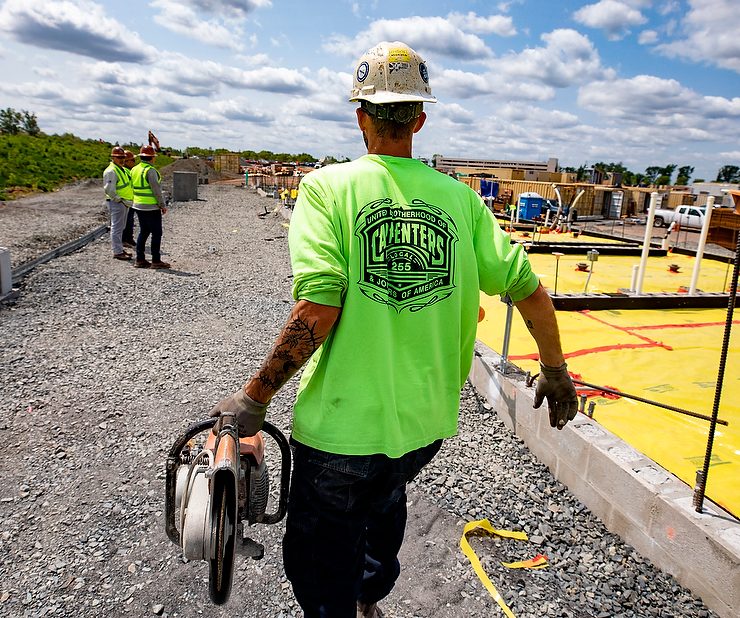
A PLA report is most valuable when its definitions are set before construction